GearKöln
Glassware, cool boxes and the logistics of a street party
Nov–Mar
The pour here is 0.2 litres, which quietly triples the number of glasses in circulation. What glass hire costs you in breakage terms, how to size cool boxes and ice, and the hour-by-hour logistics of getting crates into a courtyard and empties back out again the next morning.

Somebody always underestimates the glasses. The plan says sixty people, the order says two crates, and by nine o’clock there are forty glasses standing on window ledges along the street and nothing clean behind the table. The problem is not generosity. It is arithmetic that most people import from cities where a beer is half a litre.
Cologne pours 0.2 litres. That is the local convention and it changes the whole logistics of an event: two and a half times the glasses, two and a half times the washing, two and a half times the trips to the crate. Everything downstream of that number — the cool boxes, the van, the empties — scales with it.
Sizing the glass order
| Guests | Washer on site | Glasses in circulation | Crates to order |
|---|---|---|---|
| 20 | Yes | 60 | 1–2 |
| 20 | No | 100 | 2 |
| 50 | Yes | 150 | 3 |
| 50 | No | 250 | 4–5 |
| 100 | Yes | 300 | 5–6 |
| 100 | No | 500 | 8–10 |
Crate sizes vary by supplier, so treat the last column as an indication and give the supplier your glass count instead. The important line is the difference the washer makes: an undercounter machine with a short cycle roughly halves the glassware you need, and hiring one alongside the dispense unit is often cheaper than hiring the extra crates. That trade-off, and what else is worth adding, is in beer tap and catering equipment hire.
Two questions decide the money. What is the breakage charge per glass, and do the glasses have to go back washed. A dirty-return surcharge is normal and reasonable — someone has to do it — but it is charged per crate and it adds up on a hundred-guest event.
Glass, cups and what is allowed
The rules here have moved. Glass has been restricted in the busiest carnival zones during the street days, and separately the requirements on single-use tableware at events have tightened across the country. Neither is static, and neither applies uniformly to a private courtyard and a public street.
Practical approach: decide early whether your event is on private ground or on public ground, then ask the city directly what applies to your location and date. Cost a reusable cup option alongside the glass option at the same time, because discovering the answer in the last week means paying whatever is left in stock.
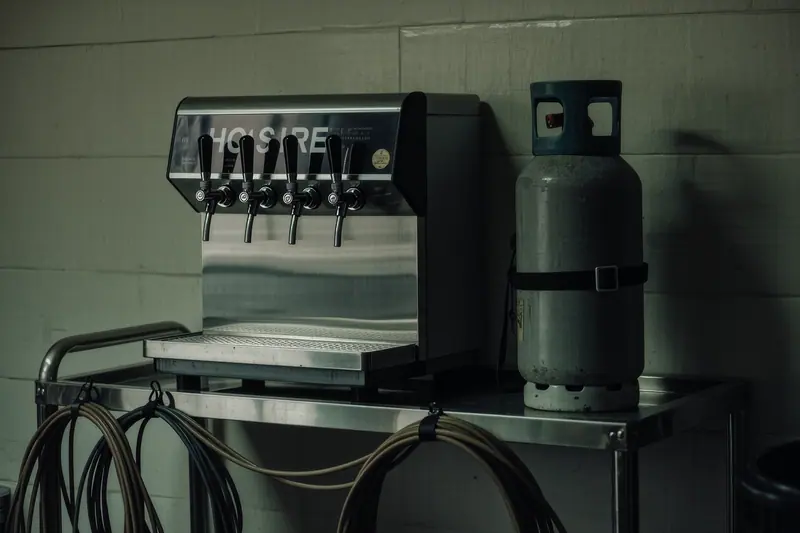
Cool boxes, and the ice nobody ordered
Cooling divides into two jobs that people run together and should not. Chilling drinks down from warm takes a lot of ice and a lot of time. Holding already-cold drinks cold takes surprisingly little. If everything arrives at room temperature on the morning of the event, you are doing the expensive job.
So chill in advance where you can, and use passive boxes to hold rather than to cool. A well-packed insulated box with the load already cold will run through an afternoon on a modest amount of ice; the same box starting warm will drink it. Powered coolers exist for hire and make sense for a long event or a warm one, but they are another appliance on a circuit that is already carrying the dispense cooler.
Order ice by weight for the morning of the event. Storing it overnight in a domestic freezer that is also holding food does not work, and blocks last far longer than cubes for cooling while cubes are what you want in a glass. Keep the two separate, and keep the drinking ice off the floor.
The timeline that makes it work
- Six weeks out. Confirm glass numbers and whether the supplier lends or hires. Book the van slot if you are collecting.
- Three weeks out. Confirm crate counts, cool box sizes and the empties collection. Ask when the empties are picked up, not just when the delivery arrives.
- One week out. Check road closures and access with the city, especially in carnival week, and confirm the delivery vehicle can get to the kerb.
- The day before. Everything heavy arrives. Crates, boxes, benches, the dispense unit. Nothing bulky moves on the day itself if you are inside a closure.
- The morning. Ice, fresh product, anything perishable.
- The night. Empties into crates as you go, glass separated, nothing left loose on the street.
- The morning after. Collection, or a van run back. This is the slot people never book and always need.
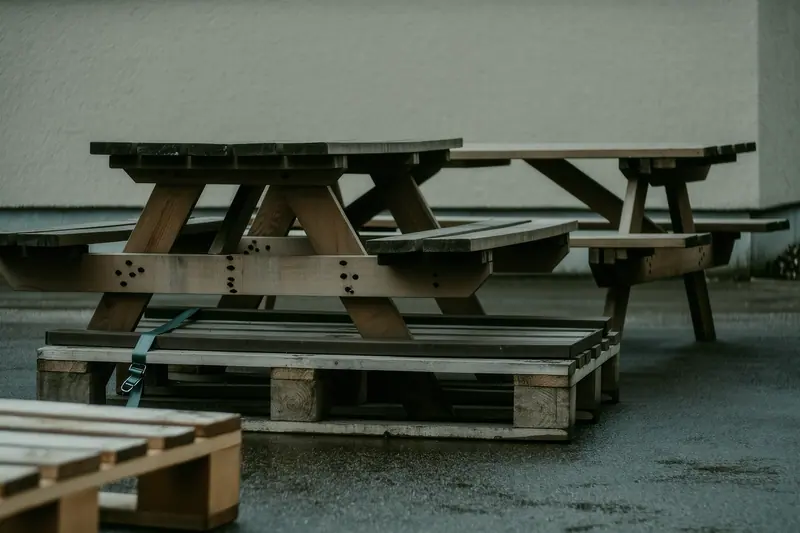
Weight, stairs and the passage
A full crate of bottles is heavy enough that most people can carry two before regretting it, and glassware crates are awkward rather than heavy. In the older blocks of the Südstadt and the Agnes quarter the route from kerb to courtyard runs through a passage with a step at each end, and that is where a sack truck earns its hire fee. Measure the narrowest point before you order anything on a pallet — it is the same measurement that decides what furniture and what size of canopy can physically reach the space.
Waste is the last piece and the one that affects your neighbours. Glass, cans and general waste separate as you go or they do not separate at all, and the city runs additional cleaning during the carnival days but not into private courtyards. Order one more waste container than you think you need and put it where people are, not where it looks tidy.
The thing worth doing that almost nobody does: run a single crate of glasses through your washing arrangement at the start of the evening, timed. If it takes eight minutes, you know exactly how many glasses you need in circulation, and you can send someone to buy the difference while shops are still open.
What to check before you book
- Count glasses on pours, not on people. A 0.2 litre pour means roughly two and a half times the turnover of a half-litre one.
- Ask whether glass hire is free against a drinks order or charged per crate, and what the per-glass breakage rate is.
- Confirm whether glasses must go back washed. A dirty-return surcharge per crate is common and is rarely mentioned unprompted.
- Check the current rules on glass and on single-use tableware in your location with the city, because both have been tightened in recent years.
- Work out ice by weight, not by bags, and order it for the morning of the event rather than the day before.
- Weigh one full crate before you plan the carry. Two flights of stairs with forty of them is a different event.
- Book the empties collection when you book the delivery. Getting crates back is the part that gets forgotten.
Questions people actually ask
- How many glasses do I need for a street party in Cologne?
Start from pours per person per hour rather than headcount. With the local 0.2 litre serve, a relaxed guest gets through two to three glasses an hour and a thirsty one considerably more, and glasses do not come back to be washed as fast as they go out. A working rule is three glasses in circulation per guest if you have a washer running, and five if you do not.
- Is glass hire free if I order the drinks?
Often, in the arrangement where a drinks supplier lends glasses against the order and takes them back with the empties. The lending is free; the breakages are not, and they are charged per glass at a rate set in the terms. If you are hiring glassware separately from an equipment company, expect a per-crate day rate plus the same breakage exposure.
- Can we use glass at a street party during carnival?
Not everywhere, and not on the same terms every year. Glass has been restricted in the busiest zones during the street days, and the boundaries and hours of those restrictions are set by the city and reviewed annually. Check the current rules for your specific street before ordering crates, and have a reusable cup fallback costed so a late change does not derail the plan.
- How much ice does a party actually need?
Far more than people buy. Passive cooling in a well-filled box needs roughly a third of the load weight in ice to hold temperature through an afternoon, and more if the box is opened constantly. Order by the kilo, get it delivered on the morning rather than storing it overnight, and keep drinking ice separate from cooling ice.