GearKöln
Cleaning charges and damage terms on a hired costume
Nov–Mar
A costume goes out clean and comes back after nine hours on a wet street. Which of that is fair wear and which is a charge, how cleaning is usually priced into the hire, what a deposit really covers, and the three kinds of damage that reliably cost more than people expect.

The garment goes back on the Wednesday morning. It has been rained on, it has been in a crowd on the Ringe for nine hours, somebody has spilled a small glass of beer down the left sleeve, and it spent the night over the back of a chair in a flat with the heating on. Whether that costs you anything depends almost entirely on paperwork signed six weeks earlier.
Cologne stores are not naive about this. They hire out for a week in which the whole city is outdoors in February, and their terms are written by people who have seen every possible state a costume can come back in. That is good news: the terms are usually specific. It only goes wrong when nobody reads them.
The three models for cleaning
| Model | How you notice it | Where the risk sits |
|---|---|---|
| Cleaning inside the hire price | One price, no line item at return | With the store, unless the piece needs specialist work |
| Cleaning added at return | A fixed fee charged when you hand back | With you, but predictable and quoted in advance |
| Return-it-clean | You are told to have it cleaned before return | With you, and it is the model most likely to go wrong |
The third model deserves a warning. If the terms require you to have the garment cleaned, that means a specialist clean with a receipt, in a week when every cleaner in the city is at capacity and half of them have a queue out of the door. It is manageable if you plan for it and expensive if you do not. Ask which model applies before you reserve, not at the counter in January.
Also ask the narrower question: what happens if a garment comes back needing more than a standard clean. Nearly every set of terms allows an additional charge there, and the number is usually a band rather than a fixed figure.
What is fair wear on a carnival hire
Stores that hire for the street week expect the garment to come back used. The line falls roughly here.
Fair wear. Rain. Beer on the outside. Street dirt on the hem. Makeup at the collar. A thread that has pulled. A missing button where the buttonhole is intact. Smoke smell that airs out.
Damage. Burns of any size. Cuts and tears through the fabric rather than along a seam. Dye transfer from a wet cheap layer worn underneath. Anything sticky that has set. Missing components. A hem that has been walked off rather than come unstitched.
The grey zone. A garment that has been stretched out of shape. This is usually treated as damage, and it usually happened because the costume was worn over more layers than the size allowed for. It is the strongest practical argument for sizing up in the first place, which is covered in costume sizes and what runs out first.
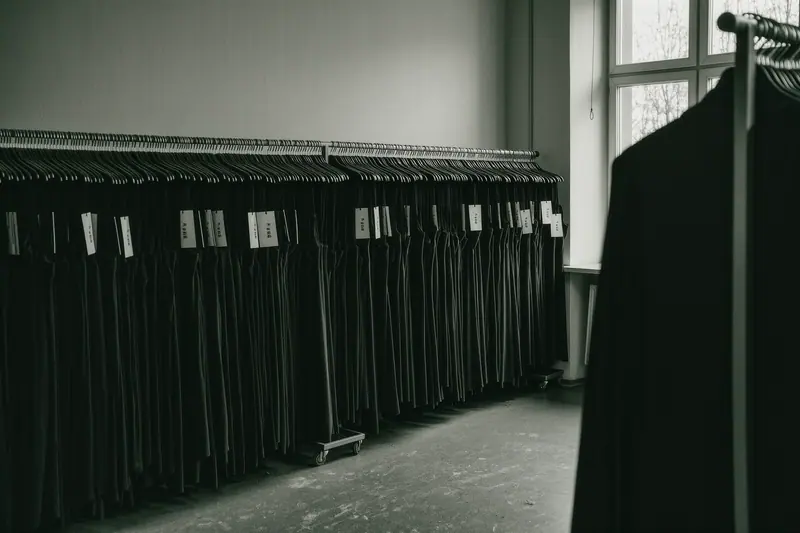
The deposit is not the ceiling
This is the single most misunderstood line in a hire agreement. The deposit is security, taken as a card hold or cash, and it is generally set well below what the garment is worth. Your actual exposure is the replacement value of the piece, and for anything tailored, period or theatrical that can run to several times the deposit.
So ask the replacement value at collection, for the garment and for each separately hired accessory. Two things follow. You will treat the elaborate piece differently from the simple one, and you can decide sensibly whether the item is worth taking out on the Monday at all, or whether it should stay on the hanger for the hall party instead.
Deposit release timing is the other thing worth pinning down. In the fortnight after the parades a store has its entire season coming back at once, and an inspection-then-release policy can genuinely take a couple of weeks. That is not a problem if you knew about it. It is a problem if you were counting on the money for the hall hire balance.
Five habits that stop most charges
- Photograph everything at collection, in daylight if possible, including the inside of cuffs and the hem all the way round.
- Wear a base layer. It keeps sweat and makeup off the hire fabric, which is where a standard clean turns into a specialist one.
- Do not attempt a repair. A stitch in the wrong thread is worse than an open seam, because the store now has to unpick it before mending it.
- Hang it wet. Damp fabric folded into a bag overnight develops marks and a smell that a standard clean will not lift. A hanger and an open window are enough.
- Return early on the first morning. The counter on the day after the Monday parade is the worst queue of the year, and a rushed hand-back is when conditions get noted badly.

Where insurance does and does not help
Some stores offer a damage waiver as an add-on, priced per hire. It behaves like the excess reduction sold at a car hire desk: convenient, and it removes the argument rather than the cost. Read what it excludes, because loss of the garment and loss of individual components are commonly outside it, and those are the two things that actually happen on a carnival Monday.
Household liability cover sometimes responds to damage you cause to hired property, but the terms vary enormously and a claim for a torn hem is not worth making. Treat the waiver as a decision about elaborate pieces only.
The genuinely useful move costs nothing. When you collect, ask the person handing it over one question: what do people most often get charged for on this particular garment. They know, because they see it come back every February, and the answer is nearly always something specific — the cuffs, the shoulder seam, a detachable collar that goes missing. Then protect that one thing and stop worrying about the rest.
What to check before you book
- Get the cleaning arrangement in writing: whether a cleaning fee is inside the hire price, added at return, or only charged if the garment needs more than a standard clean.
- Photograph the costume on all sides in daylight before you put it on, including hems, cuffs, fastenings and any existing marks.
- Have existing damage noted on the paperwork at collection, by the person handing it over, not by you afterwards.
- Ask what the replacement value of the piece is. That is your real exposure, not the deposit figure.
- Never wash, spot-clean or iron a hired costume yourself unless the terms explicitly allow it.
- Hang it up wet rather than folding it into a bag. Most avoidable charges start as damp fabric in a rucksack.
- Confirm the exact return time and what a late day costs, then set an alarm for the morning after the Monday parade.
Questions people actually ask
- Is cleaning included when you hire a carnival costume?
Usually a standard clean is priced into the hire, because the store has to clean every garment between hires regardless. What is not included is anything beyond that: heavy staining, smoke that will not come out, or a piece that needs specialist treatment. Ask specifically whether the fee is inside the price or added at return, because both models are common and the difference shows up on your card.
- What counts as fair wear rather than damage?
Beer on the outside, rain, general grubbiness and a popped thread are fair wear on a carnival hire and stores expect them. Burns, cuts, permanent dye transfer, tears through the fabric rather than along a seam, and missing parts are damage. The grey zone is a stretched or distorted garment, which is usually treated as damage if it came from being worn over more layers than it was fitted for.
- When do I get the deposit back?
Either at hand-back or after inspection, and you should know which before you pay it. Stores that release at the counter have already accepted the risk in the price. Stores that hold until the garment has been through cleaning may take one to three weeks in the period right after carnival, because everything in the city comes back in the same forty-eight hours.
- What happens if I lose part of the costume?
Small parts are charged at replacement value, which for a hat, a cane or a piece of hired jewellery can be a surprising fraction of the whole hire. If the missing part makes the costume unhirable as a set, some terms allow the store to charge for the set rather than the item. Ask at collection which pieces are considered essential to the set.